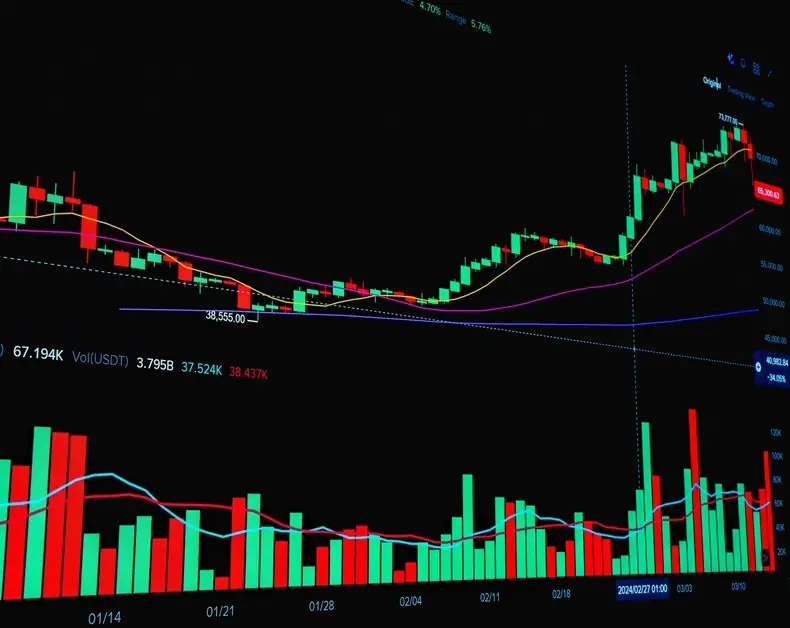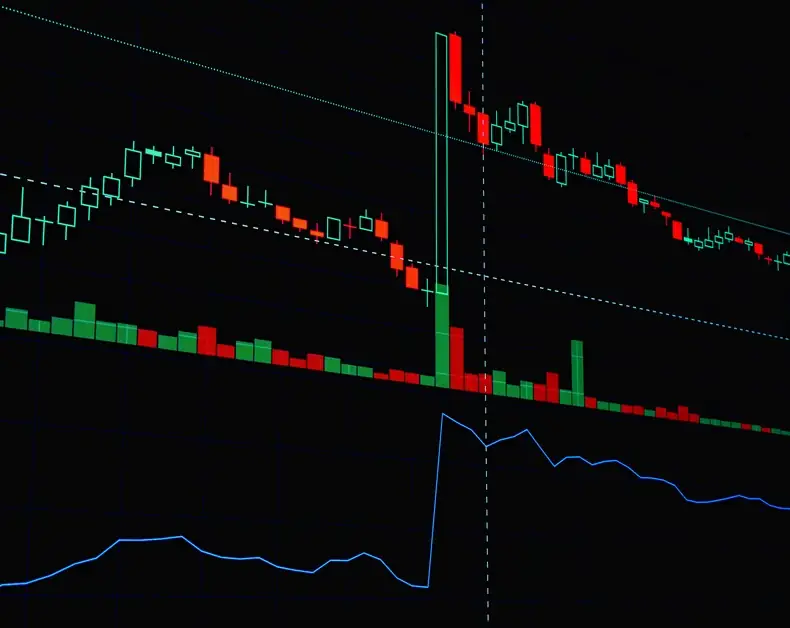
Tech Stocks are attracting significant attention in today’s market. Tech stocks have been in the spotlight recently, as people closely follow Nvidia’s latest developments amidst rising memory costs and AI financing deals. Nvidia is under scrutiny for its recent efforts to assist clients in financing AI projects, a move that has sparked comparisons to the dotcom bubble era. As Nvidia navigates these financial waters, discussions around its product roadmap and the implications of increasing memory prices are of keen interest. This comes at a time when its shares have experienced fluctuations, reflecting broader market sentiments tied to the AI sector. Meanwhile, small cap stocks remains a key focus for market participants.
Nvidia’s AI Financing Pressure and the Tech Stocks Scene
Nvidia is currently navigating a challenging landscape as it faces scrutiny over its financing initiatives aimed at assisting AI clients and partners. Analysts are keenly observing Nvidia’s plans, with a particular focus on the company’s product roadmap, sales strategies in China, competition, and the ever-increasing memory prices. While Nvidia’s shares have risen by 14% this year, they have yet to recover from the peaks seen in May, when excitement around AI-related tech stocks was at its height.
Analysts Seek Clarity on Recent Deals
Wall Street experts are eager for updates on Nvidia’s recent financing agreements, which could shed light on the state of the AI buildout. There are concerns about potential circular deals and parallels to the infamous dotcom bubble. Details about Nvidia’s newly announced $500 billion financing platform are in high demand, as readers and market watchers alike seek assurance about the company’s strategies.
Memory Costs and Tech Stocks: A Balancing Act
The rising costs of memory are causing concern, although Wedbush analysts have expressed reduced worry about the impact on Nvidia’s margins. This is attributed to expected price hikes and favourable supplier deals set for 2027. However, the ongoing shortage of memory components might affect supply, with Citi analysts forecasting potential limitations on Rubin chip deployments due to these constraints.
Nvidia’s China Sales and the AI Buildout
Nvidia’s attempts to sell Trump-approved AI chips to China have met with challenges, as the company has yet to record any revenue from H200 chip sales to the region. Despite this, Nvidia has been promoting more advanced chips to its Chinese clientele. CEO Jensen Huang sees significant potential in China, estimating a $50 billion annual market opportunity. However, the uncertainty surrounding approval has stalled sales. You can read more about these sales challenges here.
Tech Stocks Market Position Amid Growing Competition
Nvidia’s position in the tech stocks market, amidst rising competition from companies like AMD, is under scrutiny. With AMD launching MI450X Helios systems, there is heightened interest in Nvidia’s market share expectations. As the market broadens, Nvidia’s strategic outlook, particularly in regard to its competition, remains a focal point. More details on Nvidia’s market dynamics can be found here.
Earnings Report and Stock Watchlist Considerations
As Nvidia prepares to release its earnings report, analysts and readers alike are keen to learn about the company’s future trajectory and its impact on their stock watchlist. The tech stocks sector remains dynamic, with Nvidia’s performance offering crucial insights into broader market trends. Keep an eye on market news for the latest developments in this ever-evolving landscape. The small cap stocks market is responding.
As we wrap up on Nvidia’s AI financing deals, it’s evident that rising memory costs are playing a significant role in shaping current market dynamics. For those keeping a keen eye on market news and their stock watchlist, this development is one to note. Nvidia’s recent strategies highlight the intricate dance between resource allocation and technological advancement, shedding light on how external factors, like memory prices, can influence even the tech giants.
In comparison, small-cap stocks, with their unique characteristics, provide a different perspective on market behaviour. They often exhibit greater volatility but also present distinct opportunities and challenges when compared to their larger counterparts. This underscores the diversity within the market landscape.
As companies like Nvidia release their earnings reports, the ripple effects of their strategic decisions, coupled with fluctuating costs, offer a wealth of insights for readers to consider. With the ongoing AI buildout, it will be intriguing to observe how these elements continue to unfold and impact the broader tech sector.
Why is Nvidia’s AI financing approach under scrutiny?
Nvidia’s recent AI financing initiatives are under scrutiny due to concerns about potential circular deals and comparisons to the dotcom bubble era. Analysts are particularly interested in understanding the sustainability of the $500 billion financing platform announced by Nvidia, as it could provide insights into the health of the AI buildout. For more details, see this Investopedia article.
How are rising memory costs affecting Nvidia?
Rising memory costs are a concern, but Wedbush analysts believe the impact on Nvidia’s margins is less severe than anticipated. This is due to expected price hikes and favourable supplier deals for 2027, which might help Nvidia maintain its margins. Read more in the Investopedia coverage.
What challenges is Nvidia facing in the Chinese market?
Nvidia has yet to record revenue from its H200 chip sales in China due to approval uncertainties. Despite this, the company is marketing more advanced chips to Chinese clients, viewing China as a potential $50 billion annual market opportunity. Additional information can be found in this Investopedia article.
What are analysts expecting from Nvidia’s upcoming earnings report?
Analysts are eager for updates on Nvidia’s recent financing deals and their implications for the AI buildout. They are also looking for insights into Nvidia’s competitive stance against companies like AMD and how the company plans to navigate rising memory costs. More details can be found in this Investopedia article.
What impact could memory supply constraints have on Nvidia’s products?
The ongoing memory component shortage could potentially limit the deployment of Nvidia’s Rubin chips. Citi analysts warn that the supply constraints may affect the availability of these chips more than previously expected. For further details, refer to this Investopedia report.
In other news: Stock Market News: Amneal Pharmaceuticals Update